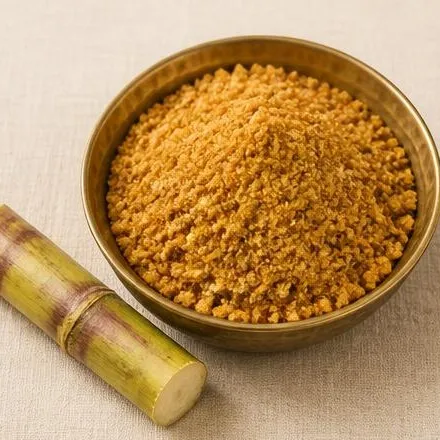
गूळ पावडर · jaggery
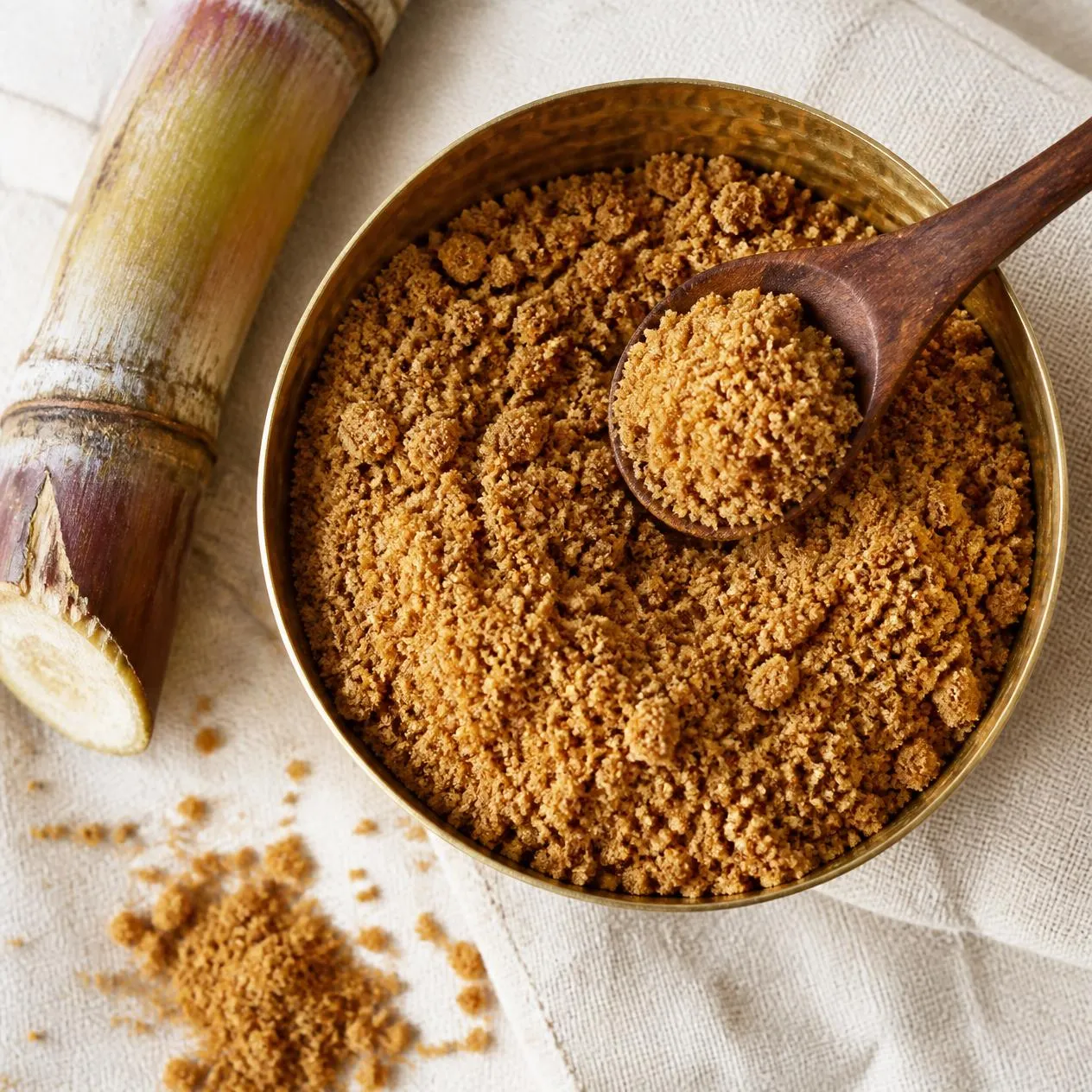
Organic Jaggery Powder
Free-flowing, unrefined cane sweetness for everyday cooking.
Made from sugarcane grown in the Sangli belt, pressed and slow-cooked the traditional way in open pans, then granulated fine — nothing bleached, nothing added. Swap it spoon for spoon wherever you use refined sugar: in chai, sheera, laddoos or a warm glass of milk. Because it is unrefined, it keeps the minerals refined sugar loses — iron, calcium, magnesium and potassium — along with the deep caramel taste of real gur.
Origin · Sangli belt, Maharashtra
Slow-cooked in open pans by partner cane farmers, the way this belt has made gur for generations.
What this order wins
Win one · the farm
Bought directly from cane farmers at a fair, agreed price — no middlemen at the farm gate.
Win two · the kitchen
An unrefined, iron-rich sweetener with nothing added and nothing hidden.
Prices for each pack size are shared on WhatsApp while we finish our online checkout. We reply during business hours, usually within the day. See how ordering works.
Traditional uses described here are general knowledge about these foods, not medical advice.
गुणधर्म · goodness & tradition
Why this jar earns its place
नैसर्गिक गोडवा · natural goodness
The sweetener that keeps its minerals
Refined sugar is cane juice with everything stripped away. Open-pan jaggery is the opposite: the juice is simply cooked down, so the minerals the cane pulled from the black soil stay in the jar. That is why gur has colour, aroma and depth — and why a spoon of it is more than empty sweetness.
- Naturally rich in iron — the sweetener traditionally given to growing children and new mothers
- Keeps the calcium, magnesium and potassium that refining removes
- No sulphur bleaching, no anti-caking agents, no added colour — ever
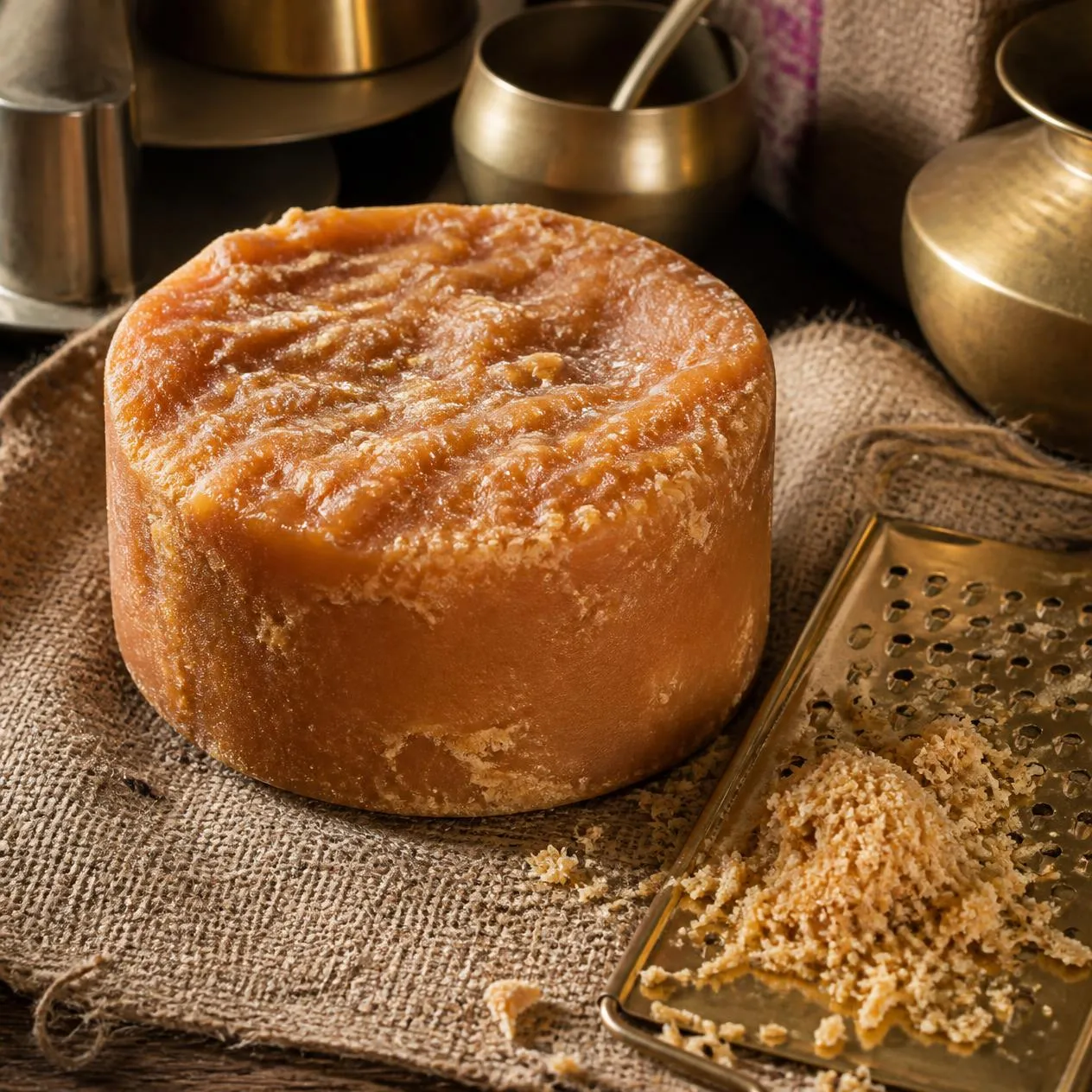
आयुर्वेद · the ayurvedic view
Gur, the wholesome sweetener
Ayurveda has never treated jaggery as a guilty pleasure. Old texts describe gur as nourishing and warming (ushna) — a sweetener that supports digestion rather than fighting it, which is why a small piece after lunch is a habit as old as the region itself.
- Traditionally eaten after meals to help settle and complete digestion
- Warming by nature — the winter sweetener of Maharashtrian kitchens
- Paired with til, sunth and dry fruits in seasonal laddoos for good reason
रोजच्या वापरात · every day
Swap it spoon for spoon
Because it is granulated fine, this powder needs no grating and no melting. Use it exactly where you use refined sugar — in chai, sheera, warm milk, laddoos — and let the caramel depth do the rest. Start with the same quantity and adjust to taste; real gur tastes fuller, so many families end up using less.
Traditional uses described here are general knowledge about these foods, not medical advice.
Cook with it
Family recipes from our kitchen that use this jar.
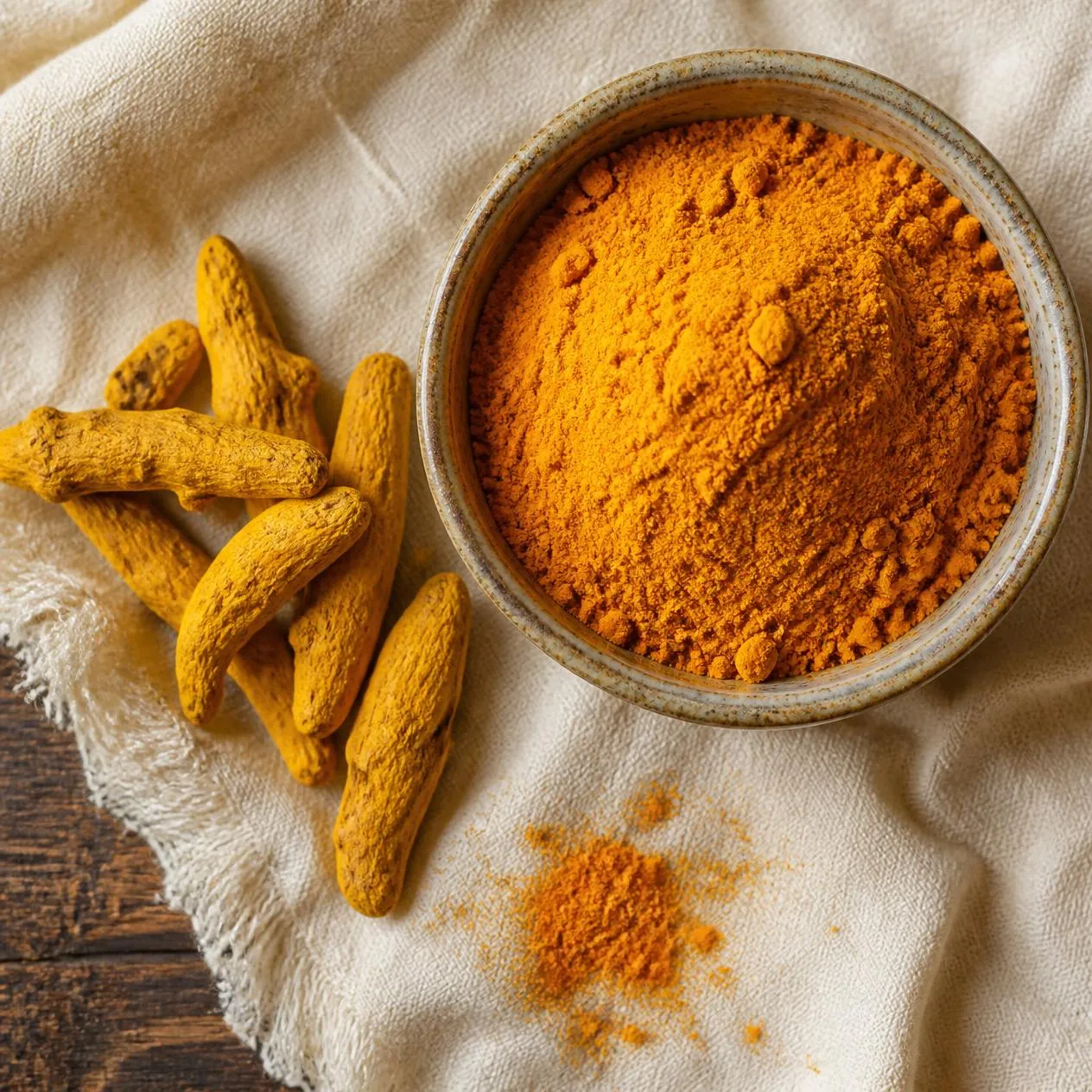
हळदीचं दूध · Drinks & warmers
Haldi Doodh
The original golden milk — one pan, ten minutes, real Lakadong depth.
सुंठ काढा · Drinks & warmers
Sunth Kadha
The monsoon decoction — sunth, haldi and gur simmered into ten warm minutes.
You may also like
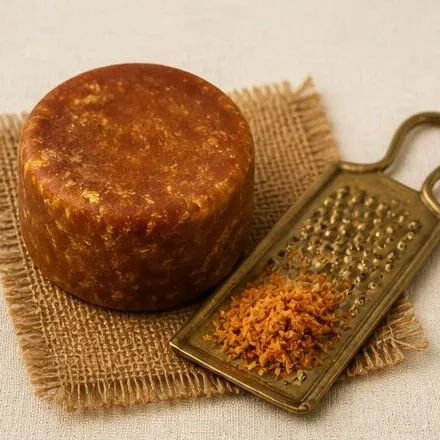
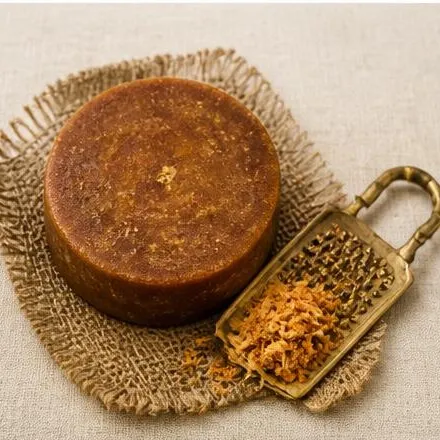
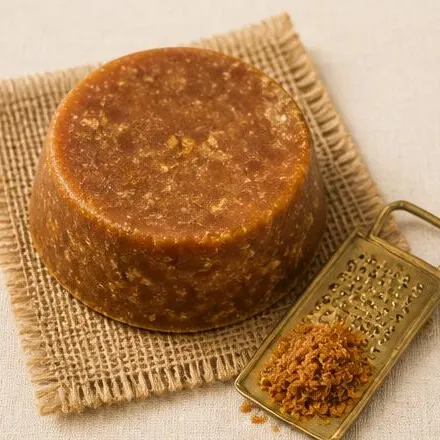
गुळाची ढेप · jaggery
Jaggery Block
The classic dhep — solid, golden, made for festival cooking.
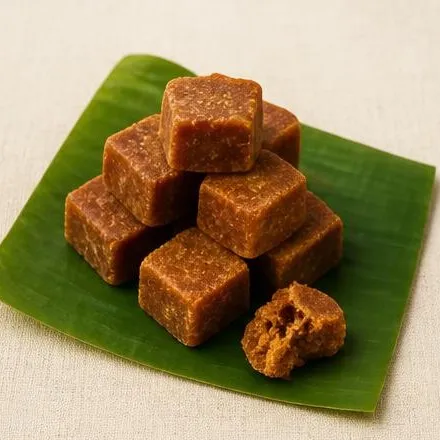
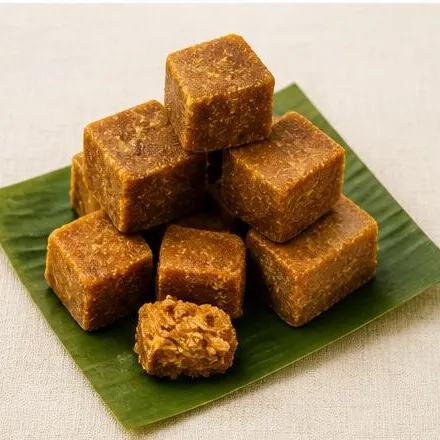
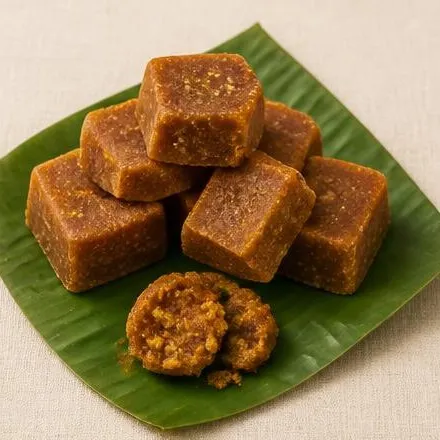
गुळाचे खडे · jaggery
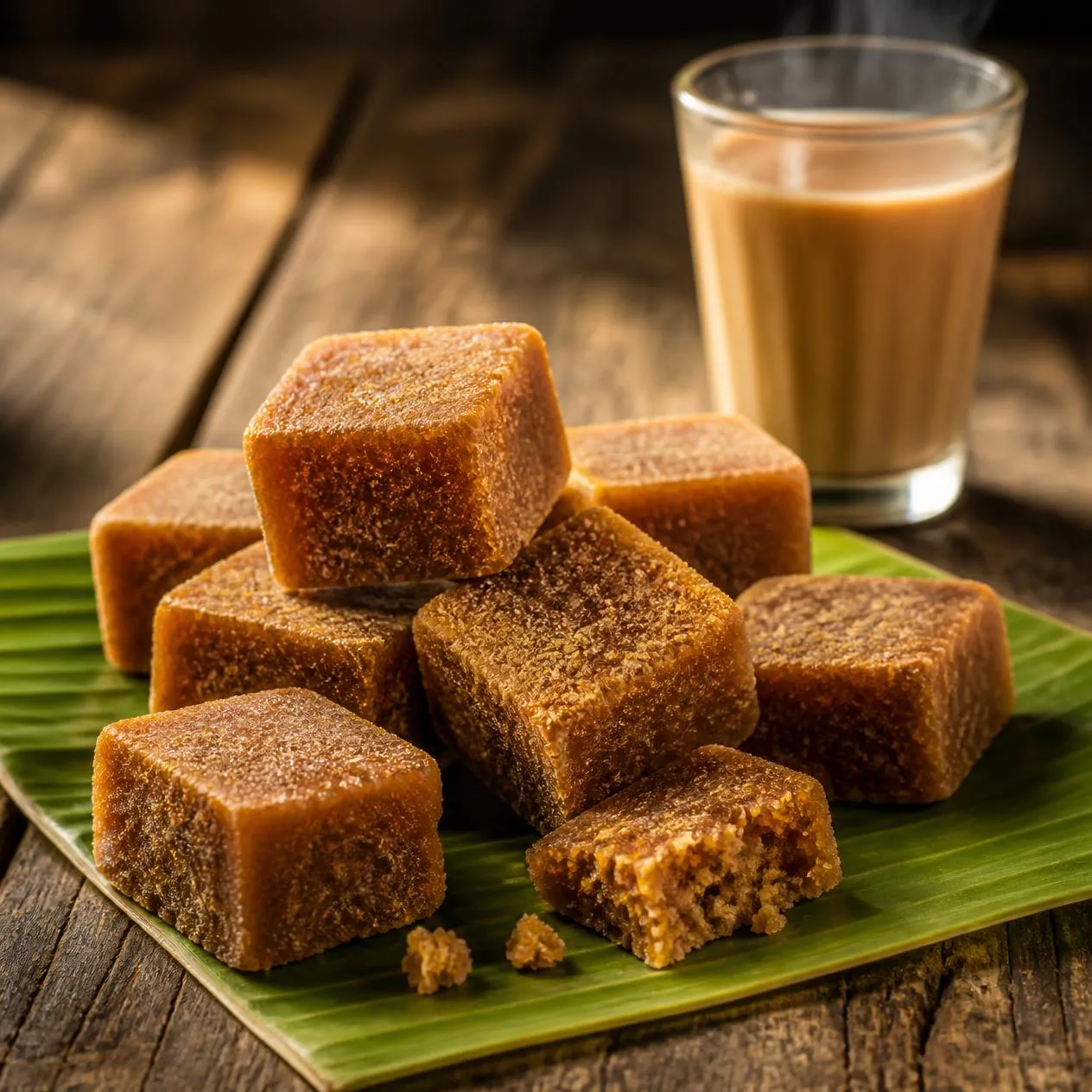
Jaggery Cubes
Bite-sized, measured sweetness for chai and after meals.
सुंठ पावडर · ginger
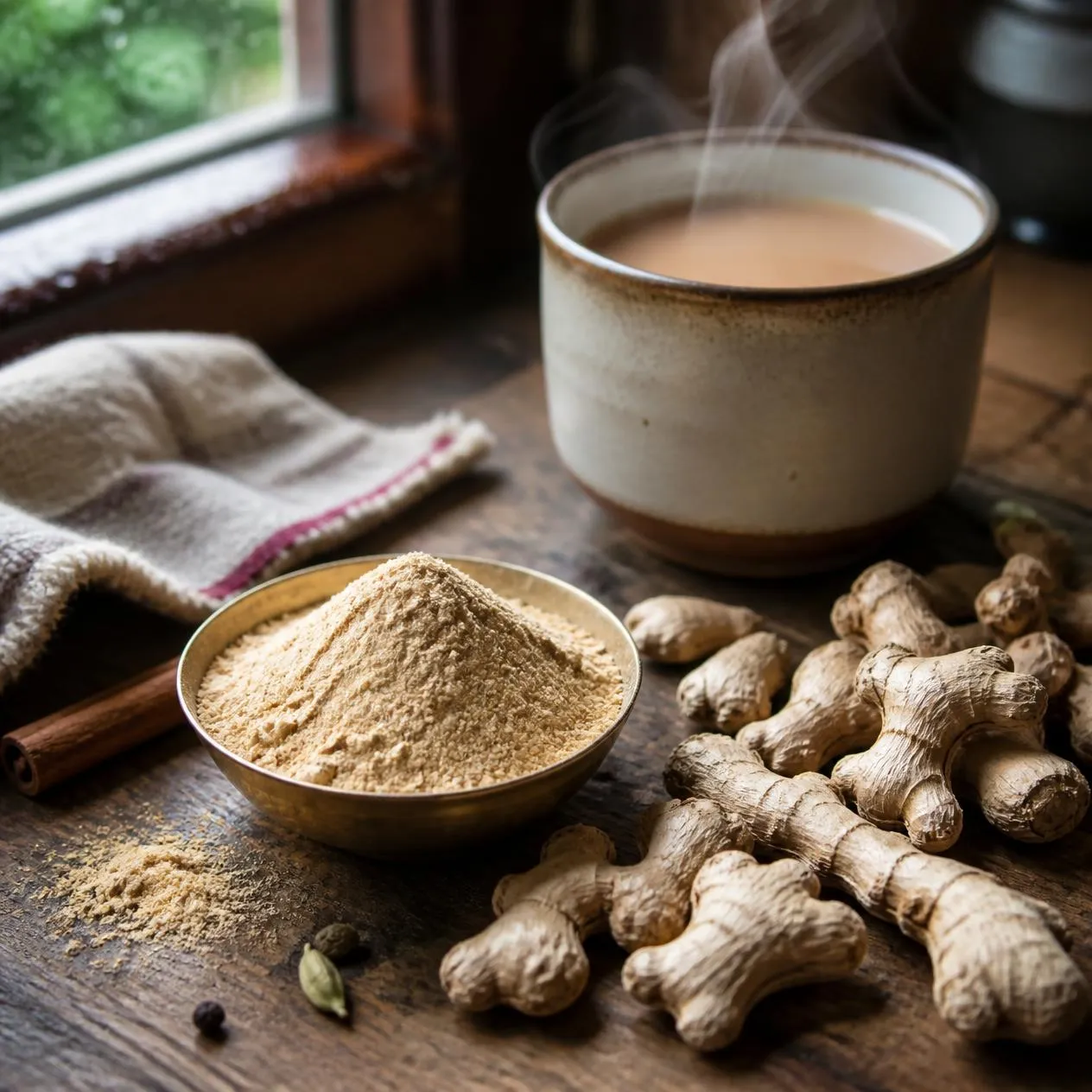
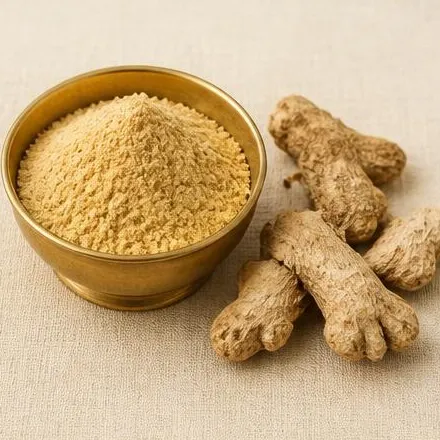
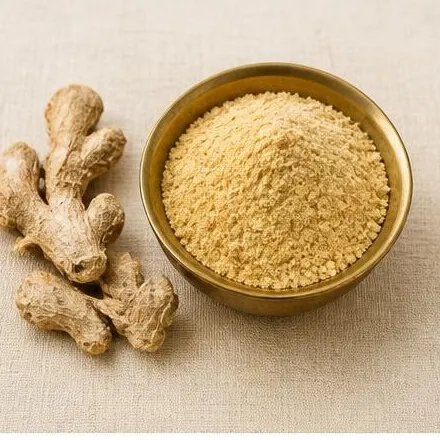
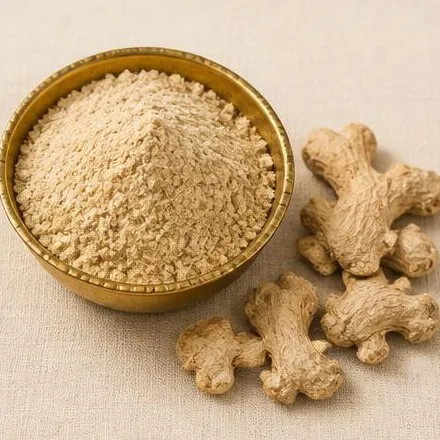
Dry Ginger Powder (Sunth)
Sun-dried ginger, finely milled for warmth and digestion.